
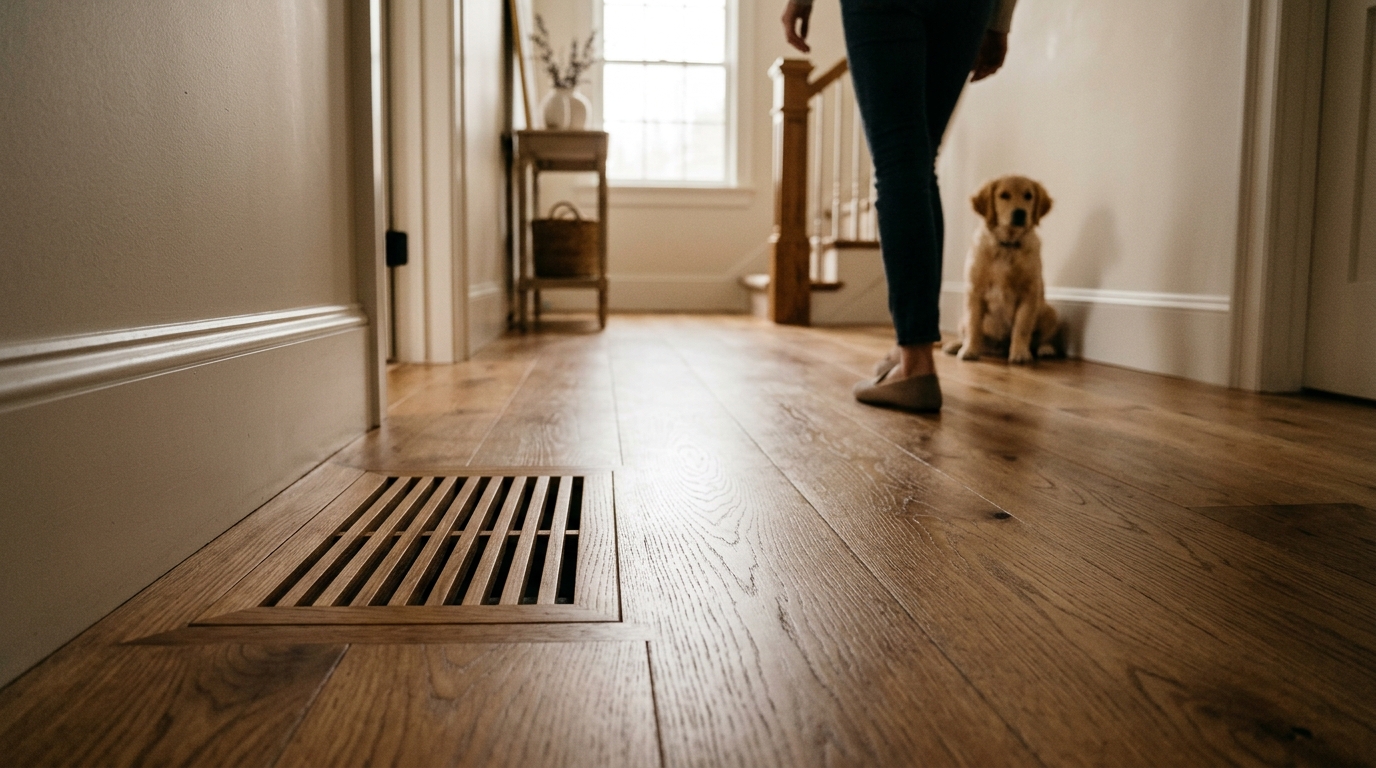
Choosing the Right Janka Hardness for Hallway Wood Grilles
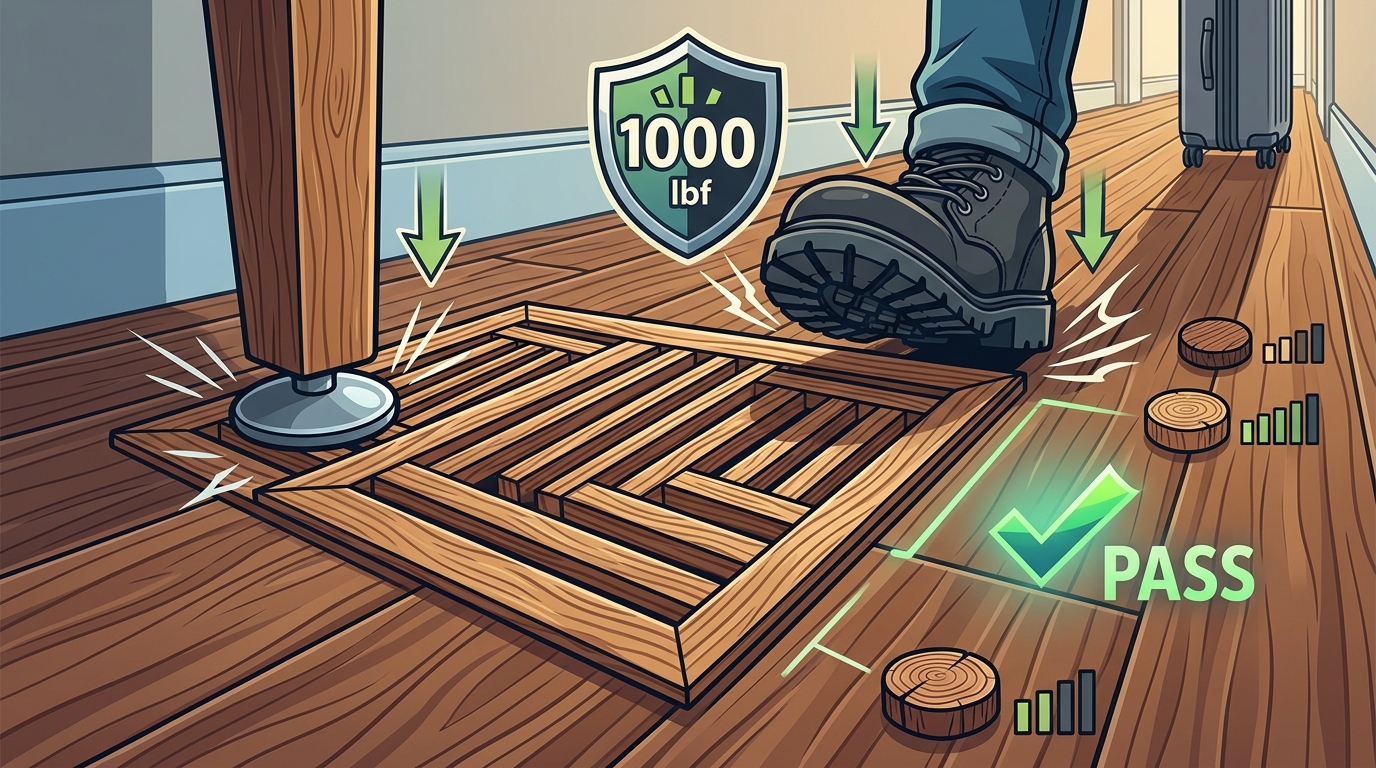
For busy hallways, you should look for hardwood grilles with a Janka hardness rating of at least 1,000 lbf. This threshold ensures the wood can resist denting from high-traffic foot traffic and furniture movement. Selecting species above this mark protects your investment and maintains the aesthetic integrity of your flooring over time. For additional details, review the Customer Service Return Information.
Understanding the Janka Hardness Scale
The Janka hardness test is a standardized method for measuring the resistance of a sample of wood to denting and wear. Developed by Gabriel Janka, this test determines how much force is required to embed a 0.444-inch steel ball halfway into the wood. The resulting number, measured in pounds-force (lbf), provides a direct comparison of durability across different species. For additional details, review the Cape Cod Air Grilles.
For ventilation components like grilles, this metric is critical because these items are often subjected to direct impact. Unlike wall panels, floor grilles must withstand the weight of shoes, vacuum cleaners, and occasionally dropped objects. A higher Janka rating indicates a denser wood structure that is less likely to show permanent marks from daily use.
Why High-Traffic Areas Demand Denser Wood
Hallways act as the primary circulation routes in a home, meaning they accumulate the most foot traffic. When a grille is located in a high-traffic zone, the wood fibers are constantly compressed. Softer woods, such as pine or poplar, may develop visible dents or wear patterns within a few years of heavy use.
By choosing a species with a Janka rating above 1,000 lbf, you ensure the grille remains structurally sound and visually appealing. This density also helps the wood maintain its finish, as the surface is less prone to scratching. For homeowners in the continental United States, selecting the right hardness level is a practical step toward long-term durability.
Comparing Common Hardwood Species
Several hardwood species commonly used in grille manufacturing exceed the recommended 1,000 lbf threshold. White Oak, for example, typically ranges between 1,360 and 1,540 lbf, making it a robust choice for high-traffic areas. Maple is another strong contender, with a rating that often exceeds 1,450 lbf, offering exceptional resistance to wear.
Species like Hickory and Brazilian Cherry (Jatoba) also provide superior hardness, with ratings that can reach into the 1,800 lbf range. These woods are ideal for hallways where heavy furniture might be moved or where the floor experiences constant pressure. Understanding these specific ratings helps you match the material to the intensity of your daily routine.
Practical Implications for Grille Selection
When selecting a grille for a busy hallway, consider the specific activities that occur in that space. If the hallway connects to a kitchen or garage, the risk of dropped items is higher. In these cases, opting for a very hard species like Hickory provides an extra layer of protection. The density of the wood ensures that minor impacts do not result in permanent damage.
Additionally, the finish of the grille plays a role in how the wood performs. A high Janka rating works in tandem with a quality sealant to create a surface that is both hard and resistant to moisture. This combination is essential for maintaining the appearance of the grille in high-traffic zones. By prioritizing hardness, you reduce the need for frequent replacements or refinishing.
Key Takeaways
- Target a Janka hardness rating of at least 1,000 lbf for hallways with heavy foot traffic.
- The Janka test measures resistance to denting, which is crucial for floor-mounted components.
- White Oak and Maple are popular choices due to their high density and durability.
- Matching the wood's hardness to the specific traffic level of the room ensures longevity.
- Denser woods help maintain the finish and reduce the visibility of scratches over time.
Frequently Asked Questions
What is the ideal Janka rating for a hallway grille?
An ideal Janka rating for a hallway grille is 1,000 lbf or higher. This level of hardness ensures the wood can withstand the constant pressure of foot traffic without showing significant wear or denting.
How does Janka hardness affect the lifespan of a wood grille?
Higher Janka hardness directly correlates with a longer lifespan in high-traffic areas. Denser woods resist denting and scratching, which prevents the surface from degrading prematurely. This means the grille maintains its structural integrity and appearance for many years.
Are softer woods ever suitable for hallways?
Softer woods are generally not recommended for busy hallways. While they may be suitable for low-traffic rooms like bedrooms, they are prone to denting in high-traffic zones. For hallways, it is best to stick with species that have a higher Janka rating.
Does the finish matter if the wood is already hard?
Yes, the finish still matters. A high Janka rating provides structural resistance, but a quality finish adds a protective layer against moisture and minor scratches. The combination of hard wood and a good sealant offers the best overall protection for your grille.
Can I use the same wood species for walls and floors?
You can use the same species for both, but the requirements differ. Wall grilles do not face the same impact forces as floor grilles. However, using a harder species for both ensures consistency in appearance and provides extra durability for the floor components.